

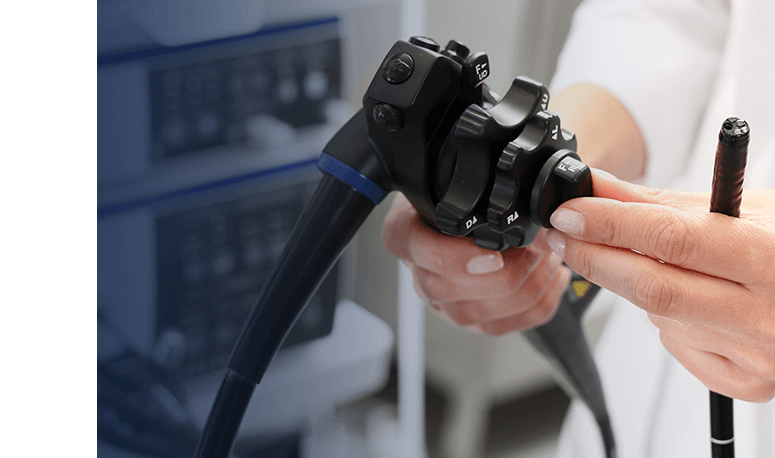

Colorectal cancer is one of the most common cancers in Singapore, affecting about 15% of male cancer patients and 12% of female cancer patients from 2019–2023. It also has a reputation for being one of the most preventable and treatable cancers in the early stages, with survival rates hovering around the 80% mark, but dropping to a mere 10% if allowed to reach stage IV. And yet, despite being faced with such a serious but preventable disease, many people tend to delay their screenings when it comes to having a colonoscopy.
A colonoscopy is an effective tool that doctors use to screen for bowel health. It allows specialists to examine the inner lining of the colon and rectum, helping to identify inflammation, ulcers and even polyps before they progress into cancer. While the procedure may feel daunting, it plays an important role in cancer prevention, not just diagnosis.
Colonoscopy for Average-Risk Individuals
If you are generally healthy and have no personal or family history of colorectal cancer or polyps, you are considered to be at average risk. Based on recommendations from the Ministry of Health Singapore, you are usually advised to begin colorectal cancer screening procedures between the age of 45–50.
When your initial colonoscopy shows no polyps or abnormalities, repeat screening is typically recommended every 10 years. This interval is considered appropriate because colorectal cancer usually develops slowly, often taking many years to form from a small polyp.
Colonoscopy for Individuals With Higher Risk Factors
Screening schedules are tailored to your individual risk profile, which is why discussing your personal and family history with your doctor is essential. When certain risk factors are present, you may require shorter intervals between screenings, or your doctor may recommend starting colonoscopy screening earlier. Depending on these risk factors, a colorectal cancer doctor may suggest that you begin screening from age 40 or even younger, and repeat the procedure every 3 to 5 years.
You may be considered at higher risk if any of the following apply:
Family history of colorectal cancer
If your parent or sibling developed colorectal cancer or polyps, particularly before the age of 60, screening may be advised from age 40 or 10 years earlier than the age at which your relative was diagnosed.
Inflammatory Bowel Disease (IBD)
Conditions such as ulcerative colitis or Crohn’s disease significantly increase colorectal cancer risk. If you have IBD, colonoscopies may be recommended every 1 to 2 years once the disease has been present for a certain period, often 8 years or more.
Genetic Syndromes
Certain inherited conditions, including Lynch syndrome and familial adenomatous polyposis, require closely monitored screening programmes. In these cases, colonoscopy may begin in young adulthood and be repeated annually or every 2 years.
What Happens if Polyps Are Found?
Finding polyps during a colonoscopy is actually a common occurrence, and a primary reason the procedure is so valuable. Most polyps are benign (non-cancerous), but some types, known as adenomas, are pre-cancerous and can eventually turn into cancer if left untreated.
If your doctor finds and removes polyps during your exam, your screening timeline may change. Rather than waiting 10 years, your doctor might recommend returning sooner, depending on what was found.
You may be advised to repeat the colonoscopy in:
- 3 to 5 Years: This is common when only small adenomas or a limited number of polyps are detected.
- 1 to 3 Years: A shorter interval is usually recommended if larger adenomas, multiple polyps or polyps with higher-risk features are found.
- Less Than 1 Year: In some cases, an early follow-up is needed if a polyp could not be completely removed or if there are concerns about the removal margins.
Your doctor will tailor the follow-up interval based on the size, number and laboratory findings of the polyps removed, ensuring ongoing monitoring matches your individual risk.
When Should You Consider Colon Cancer Screening?
While age and family history dictate the standard schedule, ongoing symptoms should never be ignored. You should consider seeing a doctor for an earlier colonoscopy if you notice sudden or chronic changes in your digestive health. Certain symptoms may warrant prompt evaluation rather than waiting for routine screening.
- Rectal Bleeding: Blood in the toilet bowl, on tissue paper or mixed with stool should always be checked, as it can signal conditions affecting the bowel.
- Changes in Bowel Habits: Persistent constipation, diarrhoea or noticeable changes in stool consistency lasting more than a few days may indicate an underlying issue.
- Abdominal Pain or Discomfort: Ongoing cramps, bloating, gas or abdominal pain should not be ignored, especially if symptoms persist or worsen over time.
- Unexplained Weight Loss: Losing weight without trying can point to a range of medical conditions, including problems affecting the colon.
- Anaemia: Iron-deficiency anaemia without a clear cause may sometimes result from slow, unnoticed blood loss in the bowel.
If you experience any of these symptoms, it is important to seek medical advice promptly. Early assessment allows your doctor to determine whether further investigation, including a colonoscopy, is needed.
Is a Colonoscopy My Only Screening Option?
Colonoscopy is the gold standard for colorectal cancer screening because it allows both detection and treatment in one procedure. However, alternative tests may be used in certain situations, particularly as initial screening options.
Other screening methods include:
- Faecal Immunochemical Test (FIT): A non-invasive test that checks for hidden blood in the stool and is usually performed annually. A positive result means further evaluation with a colonoscopy is required.
- CT Colonography (Virtual Colonoscopy): An imaging test that uses X-rays and computer technology to produce detailed views of the colon. While less invasive, it does not allow for polyp removal, so abnormal findings still require a standard colonoscopy.
- Stool DNA Tests: These tests analyse stool samples for genetic changes associated with cancer or polyps. As with FIT, a positive result requires confirmation through a colonoscopy.
It is important to discuss these options with your doctor. While there are alternative methods available, they are generally for first-line screening purposes only. If they detect a potential problem, you will likely need to undergo a colonoscopy to confirm and treat it.
Contact a Colorectal Cancer Specialist Clinic Today

Screening intervals for colonoscopy should always be determined based on individual medical assessment and clinical advice. Whether you are due for your first average-risk screening at 50 or require more frequent surveillance due to family history, adhering to the recommended schedule is the most effective way to protect yourself against colorectal cancer.
Do not let fear or uncertainty delay this potentially life-saving procedure. If you have questions about colorectal cancer screening, diagnosis, or treatment options, it is important to consult a colorectal specialist clinic promptly. Early medical advice can help ensure timely assessment and appropriate care.
Led by Dr Dennis Koh, Dr Sharon Koh Zhiling, and Dr Pauleon Tan Enjiu, our clinic offers comprehensive medical management for colorectal conditions. Contact us today to arrange a thorough assessment and discuss appropriate next steps for screening, diagnosis, and treatment.