

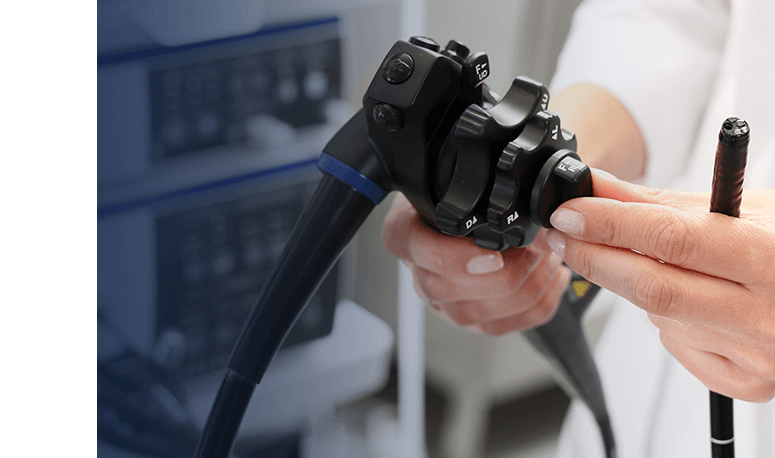
Endoscopy is a medical procedure used to examine the structures inside the body. There are many types of endoscopy, each of which is designed to diagnose and treat a wide range of conditions.
What Is an Endoscope?
An endoscope is a device used to visually examine the inside of a body cavity or organ. It typically consists of a long, flexible tube equipped with a light source and camera at one end. The images captured by the camera are displayed on the monitor, allowing the endoscopy specialist to detect abnormalities in the internal structures.
What Is an Endoscopy Screening Used For?
An endoscopy screening enables doctors to:
- Visualise Internal Organs and Tissues – Endoscopy provides a direct view of various organs, such as the oesophagus, stomach, intestines, lungs, and bladder helping to identify any abnormalities or potential health issues.
- Collect Tissue Samples (Biopsies) – During an endoscopy, small tissue samples can be extracted for laboratory analysis. Biopsies help diagnose conditions like cancer, inflammation, and infections.
- Diagnose a Wide Range of Conditions – Endoscopy is used to diagnose various medical conditions, including ulcers, polyps, tumours, and gastrointestinal disorders. It can also help identify the cause of symptoms like abdominal pain, difficulty swallowing, or changes in bowel habits.
- Perform Treatment Procedures – In addition to diagnosis, endoscopy can be used to perform certain medical procedures, such as removing polyps from the colon or rectum (polypectomy), stopping internal bleeding, or extracting foreign objects in the body.
What Are the Different Types of Endoscopy Procedures?
Endoscopy comes in several types, each designed to examine a specific part of the body. Some types include:
Gastrointestinal Endoscopy
– This type examines the digestive tract by inserting an endoscope through the mouth. Common gastrointestinal endoscopic procedures include:- Gastroscopy or Upper Endoscopy (OGD) – Examines the oesophagus, stomach, and duodenum for conditions like ulcers, reflux and gastritis
- Colonoscopy – Inspects the large intestines to check for colon cancer, polyps, or inflammatory bowel diseases
- Enteroscopy – Detects abnormal growths, bleeding, and Crohn’s disease within the small intestine
- Endoscopic Retrograde Cholangiopancreatography (ERCP) – Combines endoscopy and X-rays to diagnose and treat conditions of the bile ducts and pancreas
Respiratory Endoscopy
– This type involves inserting an endoscope through the nose or mouth into the airways. A common type is a bronchoscopy which examines the trachea, bronchi, and lungs to diagnose and treat infections, tumours, lung diseases, or blockages.Urological Endoscopy
– In this type, the endoscope is inserted through the urethra to access and inspect the urinary bladder and ureters. Common urological endoscopic procedures are:- Cystoscopy – Assesses the bladder for any sign of infection, stone, or tumour
- Uteroscopy – Inspects the ureters for conditions involving the urinary tract
When Is an Endoscopy Performed?
Endoscopy is typically performed when a doctor suspects an underlying health condition and needs a detailed internal view. It is commonly recommended to:
- Identify the underlying cause of digestion-related symptoms, such as bleeding, abdominal pain, and excessive bloating
- Determine the severity of the condition
- Perform a biopsy on a specific area in the digestive tract
- Screen for early signs of colorectal cancer or other types of cancers
- Remove precancerous polyps to prevent their progression into cancer
- Monitor the progression of pre-existing gastrointestinal conditions
What Conditions Can Be Diagnosed with Endoscopy?
Endoscopy is a valuable tool for diagnosing conditions affecting various organs, particularly those in the digestive tract. Conditions commonly diagnosed with endoscopy include:
Oesophageal Conditions
- Gastroesophageal Reflux Disease (GERD) – A condition where stomach acid flows back into the oesophagus, causing heartburn and other symptoms
- Oesophageal Varices – Enlarged veins in the oesophagus, often associated with liver disease
- Oesophageal Stricture – Abnormal narrowing of the oesophagus causing difficulty swallowing
Stomach and Duodenal Conditions
- Peptic Ulcers – Open sores that develop in the lining of the stomach or small intestine
- Celiac Disease – An autoimmune disorder triggered by gluten, a protein found in wheat, barley, and rye
- Irritable Bowel Syndrome (IBS) – A common disorder that affects the large intestine, causing abdominal pain, bloating, and changes in bowel habits
- Inflammatory Bowel Disease (IBD) – A group of inflammatory bowel diseases, such as Crohn's disease and ulcerative colitis
Colorectal Conditions
- Cancer and Polyps – Abnormal growths in the colon and rectum that can sometimes become cancerous
- Rectal Bleeding – Often caused by various conditions, including haemorrhoids, ulcers, or cancer
Get quick, accurate diagnostics with an endoscopy.
Make an appointment with our clinic at 6262 1226 today.
What Can an Endoscopy Treat?
While endoscopy is primarily a diagnostic tool, it can also be used to treat a variety of conditions. Common procedures performed during an endoscopy include:
- Polypectomy – Removal of small growths like polyps and tumours to prevent or treat cancer
- Bleeding Control – Endoscopy allows for direct visualisation of the bleeding site where techniques can be used to stop bleeding effectively.
- Stricture Dilation – A balloon or dilator can be inserted through the endoscope and then inflated to widen narrowed passages in the oesophagus.
- Foreign Object Removal – Small objects accidentally swallowed or inhaled can be retrieved using tools inserted through the endoscope.
How Do I Prepare for Endoscopy?
To ensure a smooth and successful endoscopy, your doctor will provide specific instructions. In preparation for your endoscopy, ensure to:
- Complete the Required Pre-tests and Procedures – Your doctor may recommend blood tests, imaging, or other pre-tests to assess your overall health and determine if you are a suitable candidate for an endoscopy.
- Provide a Medical History – Sharing your medical history, including your allergies, medications, as well as past and present medical conditions, will help your doctor tailor the procedure to your needs and minimise complications.
- Fast – It is crucial to stop eating for several hours, as advised by your doctor, before endoscopy to ensure a clear view of the internal organs and improve the accuracy of the diagnosis.
- Cleanse Your Bowels – A clean colon ensures a clear view of the intestinal lining, allowing the doctor to inspect the area without obstructions.
- Stop Taking Certain Medicines – Certain medications, like blood thinners and NSAIDs, may need to be adjusted before and after the procedure to reduce bleeding risk. Always discuss all medications and supplements with your doctor.
- Stop Smoking – To enhance safety and promote a smoother recovery, it is recommended to quit smoking before the endoscopy. Smoking can affect lung function and increase the risk of complications during sedation.
What to Expect During an Endoscopy
Most endoscopic procedures are outpatient, meaning you can go home the same day. However, some complex procedures may require an overnight stay. The total procedure time can range from 30 minutes to two hours, depending on the specific type of endoscopy.
During the procedure, you will lie on your left side on an exam table. You will receive sedation medication or local anaesthesia to help you relax and feel comfortable. In rare cases, general anaesthesia may be used.
The doctor will gently insert the endoscope through your mouth (gastroscopy) or anus (colonoscopy), guiding it to the area they need to examine. They will use the images from the endoscope to assess the area, take biopsies if necessary, and perform any required treatments, such as removing polyps or stopping bleeding.
Once the procedure is complete, the endoscope will be slowly removed. For procedures that involve incisions, these will be closed with stitches.
Arrange for an endoscopy to identify the cause of your symptoms.
Contact us at 6262 1226 today.
What to Expect After Endoscopy
After the endoscopy procedure, the patient will be transferred to the recovery area to be monitored until the sedation completely wears off. Patients who undergo endoscopy often experience some side effects after the procedure such as sore throat, bloating, nausea, or mild cramping. These side effects are usually temporary and should resolve within a few hours or days.
Preliminary results may be available the same day but for cases requiring further analysis like a biopsy, results may take a few more days.
To ensure a smooth recovery after your endoscopy, your doctor may provide specific instructions. These may include:
- Hydration – Drink plenty of water to stay hydrated and to help flush the gas that might have been introduced during the procedure.
- Diet – Opt for a soft diet that is easy on the digestive system like yoghurt, soup, mashed potatoes, and smoothies.
What Are the Possible Risks of an Endoscopy?
While endoscopy is a safe procedure, it still carries some potential risks and complications, including:
- Bleeding – Slight bleeding may occur especially if a biopsy or polyp removal is performed.
- Infection – There is a small risk of infection at the site of tissue sampling or in the digestive tract but can be easily managed with antibiotics.
- Perforation – In rare cases, the endoscope may puncture the lining of the oesophagus, stomach, intestines, or colon, leading to internal bleeding that may require surgery.
- Reaction to Sedation – Some patients may experience allergic reactions, nausea, or other side effects from the sedative medications.
FAQs on Endoscopy
How painful is an endoscopy?


Can I drink water before an endoscopy?
What is the difference between endoscopy and gastroscopy?
At what age should I get an endoscopy?
What is the cost of endoscopy in Singapore?
Is endoscopy covered by insurance in Singapore?
and we will be happy to assist you.
Our Colorectal Cancer Specialists
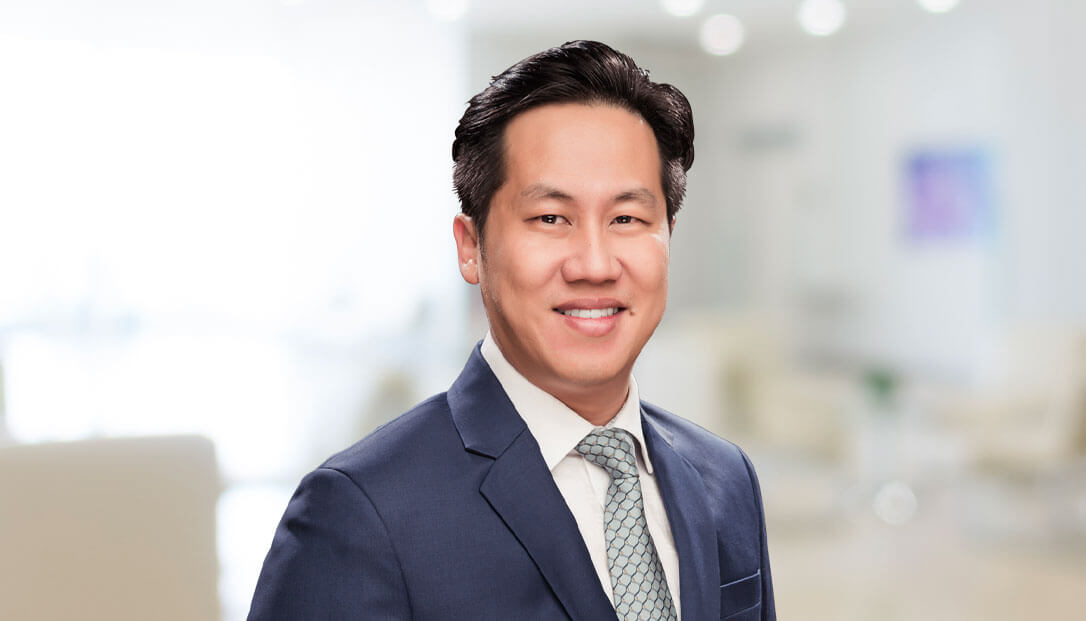
Dr Dennis Koh
Medical Director & Senior Consultant Surgeon
B Med Sci (Nottingham), MBBS (Nottingham)
MMed (Surgery), FRCS (Edinburgh), FAMS
Dr Dennis Koh is an experienced colorectal surgeon skilled in both open and minimally invasive colorectal surgery. His practice includes laparoscopic surgery, single port surgery and advanced endoscopic procedures such as colonoscopy.
He focuses on creating customised treatment plans tailored to each patient’s condition and needs. Dr Koh also trained in proctology in Geneva, which adds further breadth to his surgical expertise.
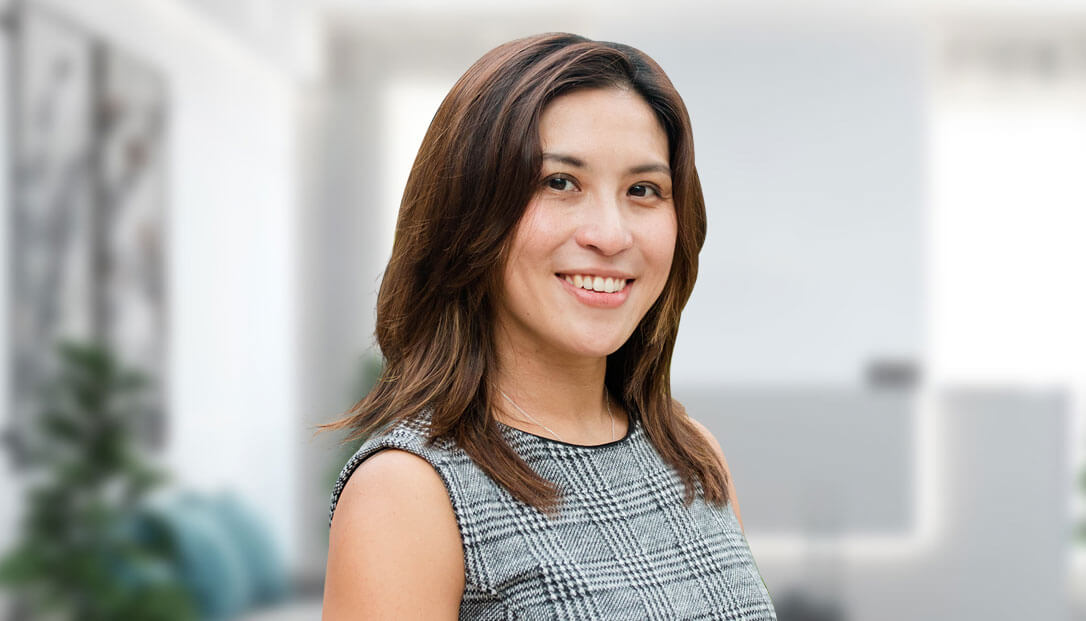
Dr Sharon Koh Zhiling
Senior Consultant Surgeon
MBBS (Singapore), MMed (Surgery),
FRCS (Edinburgh), FAMS
Dr Sharon Koh brings extensive experience in colorectal surgery and endoscopy to her clinical practice. She previously served as Director of Endoscopy at Alexandra Health and focuses on colorectal surgery, minimally invasive techniques and advanced endoscopic procedures.
She later completed a fellowship at Cedars-Sinai Medical Centre in the United States after being awarded the Academic Medicine Development Award by the National University Hospital.

Dr Pauleon Tan Enjiu
Senior Consultant Surgeon
MBBS (Singapore), MMed (Surgery),
FRCS (Edinburgh), FACS
Dr Pauleon Tan has more than 15 years of experience working in public hospitals. His clinical focus includes minimally invasive surgery and endoscopy.
He has a subspecialty interest in treating colon, rectal and anal conditions using both traditional open surgery and laparoscopic techniques. Dr Tan also underwent advanced colorectal training at Saitama International Medical Center in Japan under the Ministry of Health Health Manpower Development Plan Award.