

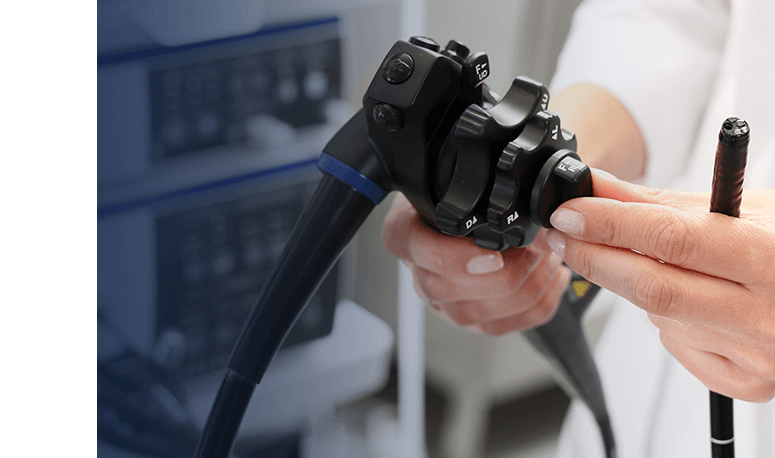
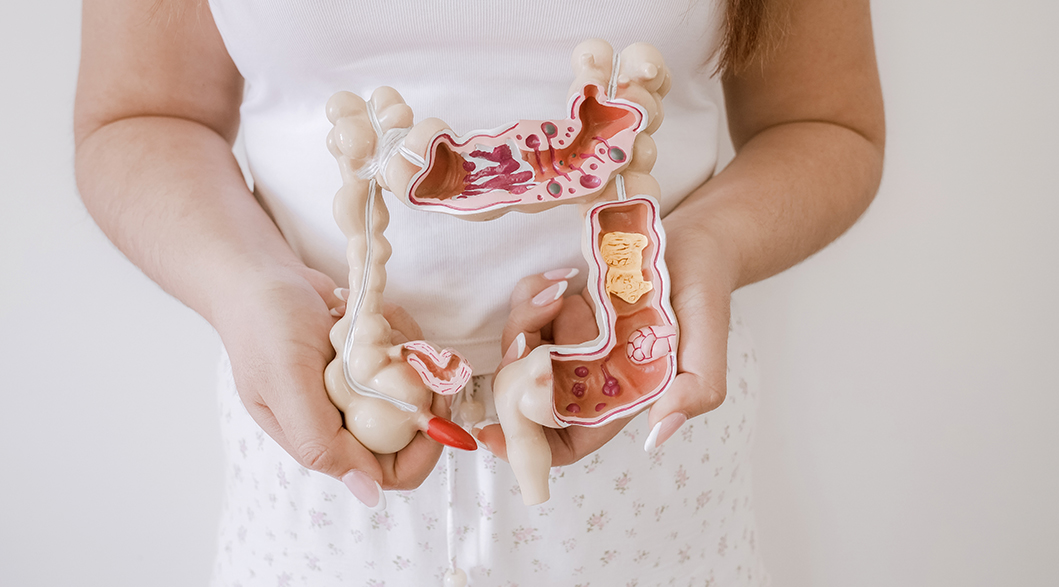
A colonoscopy is a critical tool for diagnosing various gastrointestinal issues, including colorectal cancer—one of the most common cancers in Singapore. This procedure allows doctors to inspect the colon and rectum, detecting abnormalities like polyps or early cancer indicators.
Unfortunately, misconceptions often lead individuals to avoid colonoscopies, causing unnecessary anxiety and potentially serious health repercussions. By addressing these myths with clear, evidence-based facts, people can make informed health decisions.
Myth #1 – Colonoscopy procedure is uncomfortable and painful.
Many believe that undergoing a colonoscopy is an extremely painful experience, leading them to delay or avoid the procedure altogether.
Fact: While the idea of a colonoscopy may seem daunting, advancements in medical technology and techniques have made it far more comfortable than most expect. Sedation is typically given during the procedure to ensure that patients remain relaxed and asleep. Most patients report little to no discomfort. Many describe the experience as simply waking up from a restful sleep. Medical professionals also benefit from sedation, as it allows them to perform the procedure efficiently and thoroughly.
Myth #2 – Colonoscopies are only necessary if you have symptoms.
Another prevalent misconception is that colonoscopies are only needed when symptoms related to colorectal issues, such as abdominal pain or bleeding, are present. Many believe that if they feel healthy and show no signs of digestive problems, a colonoscopy is unnecessary.
Fact: Colonoscopies are vital for preventive screening, and they are not only for patients with symptoms. Colorectal cancer can develop silently and is often asymptomatic in its early stages. Regular colonoscopy screenings in Singapore are recommended starting at the age of 50 for average-risk individuals. For high-risk individuals, such as those with a family history of colon cancer, inflammatory bowel disease, or lifestyle factors like smoking, screening may be recommended earlier or more frequently. A colonoscopy screening can detect precancerous growths or other gastrointestinal conditions when they are most treatable.
Myth #3 – Colonoscopy is the only way to screen for colon cancer.
Some individuals assume that colonoscopy is the only method for detecting colon cancer. This misconception can create uncertainty about the most appropriate approach for individual health.
Fact: While a colonoscopy is the gold standard for colorectal cancer screening, it is not the only option. Alternatives include the faecal occult blood test and CT colonoscopy. However, colonoscopy is preferred because it allows direct visualisation of the colon and the immediate removal of any polyps during the same procedure.
Myth #4 – If a colorectal cancer screening shows polyps, that means cancer.
There is a common fear that the discovery of polyps during a colonoscopy directly indicates a cancer diagnosis. This can cause considerable distress for individuals undergoing the procedure.
Fact: Polyps are small growths found in the colon or rectum, and while some may be cancerous over time, most polyps are benign. During a colonoscopy, colorectal cancer doctors can remove polyps through a straightforward procedure called a polypectomy. These are then sent to a laboratory to determine whether they are benign or precancerous. Detecting and removing polyps early is a primary reason why colonoscopies are effective in cancer prevention, as it addresses potential issues before they turn cancerous.
Myth #5 – Colonoscopy is difficult to prepare for.
Many individuals dread the preparation for a colonoscopy, believing it requires complex or unpleasant bowel prep that can be difficult to follow.
Fact: Preparing for a colonoscopy involves adhering to a clear liquid diet for a day and consuming a laxative solution to thoroughly cleanse the colon. Recent advancements have made this preparation more tolerable, with options now available in low volumes or split doses. Your doctor will provide detailed instructions, and you can discuss options tailored to your specific needs. While the preparation requires some effort, it is manageable and essential to ensure a clear view of your colon during the procedure.
Myth #6 – Colonoscopy is only a screening technique.
Colonoscopy is sometimes viewed solely as a screening procedure with no other medical purpose.
Fact: Beyond its role in colorectal cancer detection, a colonoscopy offers significant diagnostic and therapeutic benefits. It can identify various gastrointestinal conditions like ulcerative colitis, Crohn's disease, and diverticulitis and enables immediate interventions such as polyp removal or tissue biopsy.
Myth #7 – Colonoscopies are risky.
The belief that colonoscopies carry inherent risks often discourages some individuals from undergoing such procedures.
Fact: Colonoscopies are considered a safe medical procedure, with serious complications occurring in less than 0.5% of cases. Severe complications, such as perforation or bleeding, are uncommon and linked to specific factors like polyp removal or pre-existing health conditions. The benefits of early cancer detection and prevention significantly outweigh the risks associated with colonoscopies. Experienced doctors use advanced techniques and equipment to minimise risks. Patients will be closely monitored during and after the procedure, and pre-screening assessments can help identify any factors that may increase risk.
Myth #8 – Colonoscopies require a lengthy recovery period.
The recovery period following a colonoscopy is often viewed as lengthy, which may interfere with the individual's routine activities.
Fact: Recovery from a colonoscopy is typically quick and straightforward, with most patients able to resume normal activities within a day or two. While mild bloating or gas may occur, these side effects are usually short-lived and manageable. Although factors like overall health or specific colonoscopy findings can slightly influence recovery time, prolonged downtime is rare. For optimal recuperation, doctors recommend avoiding heavy meals or intense physical activity for the remainder of the day.
Conclusion
If you have concerns or enquiries about the procedure, we encourage you to discuss them openly with our healthcare team. With over 30 years of experience, our doctors offer comprehensive colonoscopy services in Singapore with minimal discomfort and utmost precision to deliver accurate screening results and facilitate early management of colorectal cancer. Contact us today to schedule a consultation.