

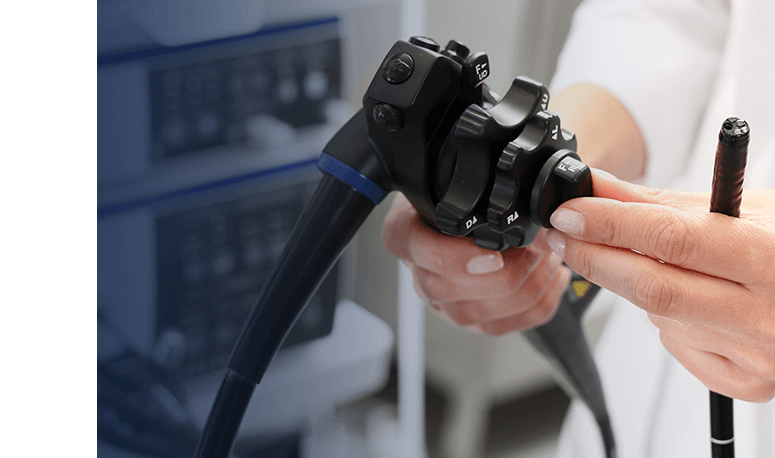
An Effective Screening Method for Early Detection of Colon Cancer
This is because colorectal cancer tends to be a very slow-progressing cancer in its initial stages, with ample time and opportunity to easily detect and intervene before entering a more aggressive advanced stage.
What Are the Benefits of Colonoscopy Screening?
- Early Detection – Colonoscopies are highly effective in detecting abnormal growths and early-stage colon cancers, often before any symptoms appear. Early detection allows for more effective treatment options and fewer complications.
- Prevention – Polyps are small growths in the colon lining that can develop into colon cancer over time. By identifying and removing them, colonoscopies can prevent the progression of these growths into cancerous tumours.
- Accuracy – Colonoscopy screening offers a detailed, high-quality view of both the colon and rectum. This ensures high accuracy in detecting polyps, cancers, and other abnormalities.
- Comprehensive Evaluation – Unlike some other screening methods that focus only on certain parts of the colon, colonoscopies examine the entire colon. This is important because these abnormalities can occur anywhere along the length of the colon.
- Therapeutic Intervention – Colonoscopy is not only diagnostic but also therapeutic. During a colonoscopy, polyps can be removed on the spot and bleeding ulcers can be treated directly.
- Personalised Screening – The frequency of colonoscopies can be adjusted based on the patient’s risk factors, such as family history, age, and personal health history. This personalised approach ensures that the patient receives the necessary screenings without unnecessary procedures.
Does Having Polyps Mean I Have Cancer?
Should it be a precancerous polyp—which it is in around two-thirds of cases—the removal of that polyp would have prevented it from potentially turning cancerous in the future.
However, you will be asked to get screened again at shorter intervals to ensure that no new polyps form.
Who Should Go for a Colonoscopy Procedure?
- Are 50 Years and Older – According to the Ministry of Health guidelines, colorectal cancer screening should begin at the age of 50 for people without risk factors. However, those with increased risk should start screening at age 40.
- Have a Family History of Colorectal Cancer – People with a family history of colorectal cancer may need earlier and more frequent screenings. Those with a first-degree relative (parent, sibling, or child) with a history of colorectal cancer or polyps, are at a higher risk.
- Have a Personal History of Polyps or Colorectal Cancer – Those who have had polyps or colorectal cancer in the past are at higher risk of developing new polyps or cancer. They require more frequent screenings to monitor for recurrence.
- Have a History of Inflammatory Bowel Disease – Individuals with inflammatory bowel diseases such as ulcerative colitis and Crohn’s disease have a higher risk of colorectal cancer due to chronic inflammation. Frequent screening is crucial to immediately identify any abnormal changes in the colon lining.
- Have Poor Lifestyle Habits – Poor lifestyle habits such as smoking, excessive alcohol consumption, and overeating increase the risk of colorectal cancer. People with these habits may benefit from earlier or more frequent colonoscopy screenings.
How Often Do I Have to Get a Colonoscopy?
The recommended frequency of colonoscopies after age 50 and 60 will depend on the patient’s risk profile for colorectal cancer. In individuals who do not have other risk factors for colon cancer apart from age, regular screenings every 10 years are recommended.
While those with other risk factors, such as a family or personal history of colon cancer and/or polyps, may be required to start screening earlier and more frequently. The decision to continue screening after age 75 should be carefully considered due to the risks involved.
What are the Risks of a Colonoscopy?
- Bleeding – While there is a small risk of bleeding at the sites where biopsies are taken or polyps are removed, this is typically minor and can be easily controlled.
- Colon Perforation – This is a rare but serious complication where the colon is accidentally punctured during polyp removal.
- Infection – Infection can occur if tissue is removed or biopsies are taken to patients with weak immune systems or underlying health conditions.
- Abdominal Pain – Some patients may feel abdominal pain or cramping during or after the procedure due to the colon being inflated with air or polyp removal.
What Can I Expect Before, During & After a Colonoscopy?
Before


During
After
Understanding Colonoscopy Results
Negative Result
A negative colonoscopy result means no abnormalities such as polyps, tumours, or inflammation were found in the lining of the colon. However, this does not guarantee that the patient will not develop colorectal cancer in the future. Regular and timely colonoscopies are still recommended especially for those with high risk factors.
Positive Result
A positive colonoscopy result, on the other hand, confirms the presence of abnormalities in the colon. If a colonoscopy turns out positive, the doctor will discuss the next steps. This might include additional tests, treatment, and more frequent colonoscopies.
Alternative Methods for Colonoscopy Screening
Faecal Occult Blood Test
A stool sample is collected and the purpose is to look for blood in the stool.
Polyps do not always cause bleeding, so it may miss the presence of certain polyps and may even miss detecting cancer altogether.
This method may be less invasive and cheaper than a colonoscopy but it does not detect all polyps or tumours, especially those that do not bleed.
It is less invasive, but also less accurate. Furthermore, even if blood is detected, a colonoscopy will still have to be performed to locate and possibly treat the abnormality causing it.
Virtual Colonoscopy
Imaging technology are used to generate multi-dimensional images of the colon after the patient is positioned in various ways in order to obtain a full picture.
Small polyps may be missed.
Although less invasive, it is less accurate and less sensitive in detecting small polyps and cannot remove them. Traditional colonoscopy is more accurate and allows for polyp removal. Furthermore, despite virtual colonoscopy, traditional colonoscopy may also be recommended to confirm any abnormalities found.
Barium Enema
A special solution of barium is poured into the patient’s colon through the anus. The solution that coats the lining of the colon will be visible under imaging scans.
Polyps or even cancer may be sometimes missed.
While it can detect certain abnormalities, it is less sensitive than a colonoscopy and polyps or even cancer may be sometimes missed. This makes colonoscopy a more effective tool for both diagnosing and preventing colorectal cancer.
FAQs on Colonoscopy
Is sedation or anaesthesia used during a colonoscopy? Can I try a colonoscopy without sedation?
Can I go back to work after a colonoscopy?
How much does a colonoscopy cost in Singapore?
Our Colorectal Cancer Specialists

Dr Dennis Koh
Medical Director & Senior Consultant Surgeon
B Med Sci (Nottingham), MBBS (Nottingham)
MMed (Surgery), FRCS (Edinburgh), FAMS
Dr Dennis Koh is an experienced colorectal surgeon skilled in both open and minimally invasive colorectal surgery. His practice includes laparoscopic surgery, single port surgery and advanced endoscopic procedures such as colonoscopy.
He focuses on creating customised treatment plans tailored to each patient’s condition and needs. Dr Koh also trained in proctology in Geneva, which adds further breadth to his surgical expertise.
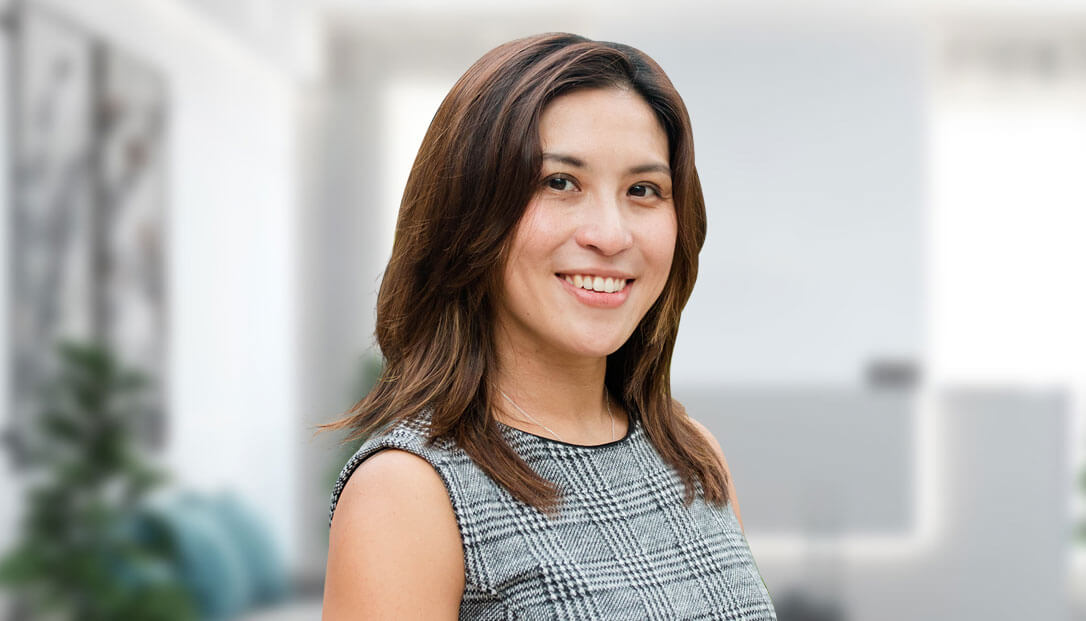
Dr Sharon Koh Zhiling
Senior Consultant Surgeon
MBBS (Singapore), MMed (Surgery),
FRCS (Edinburgh), FAMS
Dr Sharon Koh brings extensive experience in colorectal surgery and endoscopy to her clinical practice. She previously served as Director of Endoscopy at Alexandra Health and focuses on colorectal surgery, minimally invasive techniques and advanced endoscopic procedures.
She later completed a fellowship at Cedars-Sinai Medical Centre in the United States after being awarded the Academic Medicine Development Award by the National University Hospital.

Dr Pauleon Tan Enjiu
Senior Consultant Surgeon
MBBS (Singapore), MMed (Surgery),
FRCS (Edinburgh), FACS
Dr Pauleon Tan has more than 15 years of experience working in public hospitals. His clinical focus includes minimally invasive surgery and endoscopy.
He has a subspecialty interest in treating colon, rectal and anal conditions using both traditional open surgery and laparoscopic techniques. Dr Tan also underwent advanced colorectal training at Saitama International Medical Center in Japan under the Ministry of Health Health Manpower Development Plan Award.