




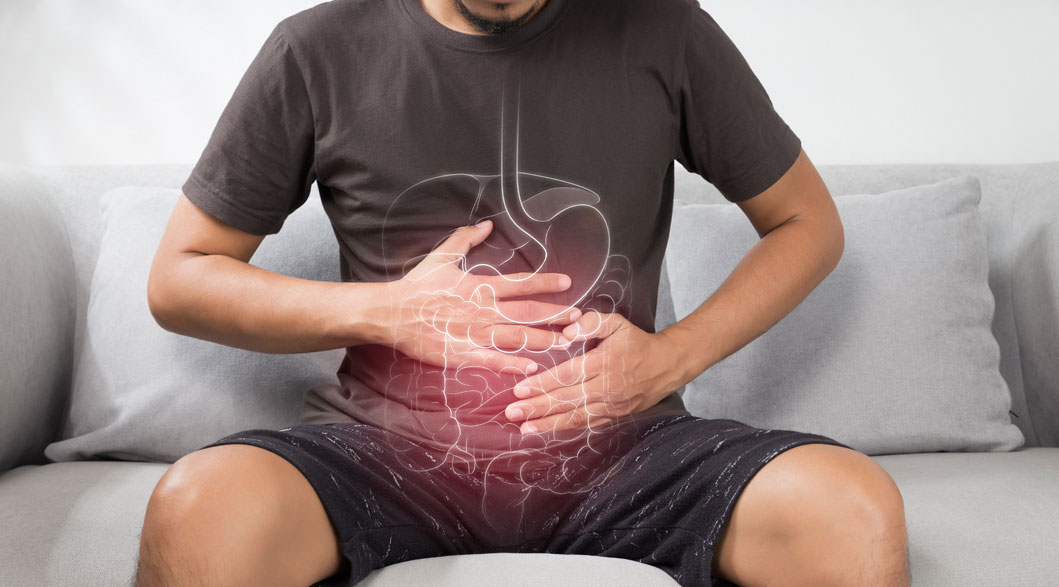
Have you ever brushed off persistent bloating as “just something I ate”? Or blamed that dull upper abdominal discomfort on a hectic week and too many rushed meals? We reassure ourselves that it will pass. Often it does. Sometimes it does not.
Gastric cancer, commonly referred to as stomach cancer, often develops quietly. In its early stages, it may cause no symptoms at all or only mild, non-specific issues such as indigestion, reduced appetite or a feeling of fullness after small meals. Because these signs are easy to dismiss, diagnosis is sometimes delayed until more serious features such as unexplained weight loss, ongoing pain or vomiting appear. Early detection therefore plays a crucial role. A gastroscopy, also called an upper gastrointestinal endoscopy, allows doctors to examine the stomach lining directly and identify subtle abnormalities at a stage when treatment is far more effective.
What Is an Endoscopy Test?
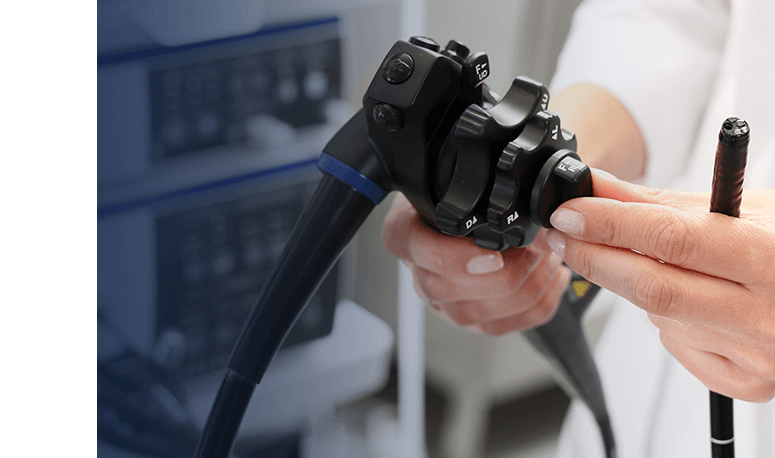
An endoscopy is a procedure that allows doctors to examine the inside of the digestive tract using a flexible tube fitted with a light source and camera. When assessing the upper digestive system, the test is referred to as a gastroscopy or upper gastrointestinal endoscopy.
During the procedure, the endoscope is passed through the mouth, down the oesophagus and into the stomach and duodenum. This provides direct visual access to the stomach lining, enabling the identification of inflammation, ulcers, polyps or suspicious lesions. Patients are usually advised to fast for six to eight hours beforehand to ensure the stomach is empty. The examination typically lasts between 10 and 15 minutes. Sedation is often administered for comfort. After a short recovery period, most individuals are discharged on the same day.
How Endoscopy Helps Detect Gastric Cancer at an Early Stage
Endoscopy remains the primary diagnostic method for evaluating suspected gastric pathology because it allows direct inspection rather than relying solely on imaging scans or indirect tests.
Direct Visual Examination of the Stomach Lining
The primary advantage of endoscopy lies in real-time visual assessment. Modern high-definition endoscopes provide detailed images of the gastric mucosa. Subtle irregularities such as small ulcers, raised lesions or changes in surface patterns can also be identified early.
Early gastric cancer may appear as a slight depression, a small elevated area or a region with abnormal vascular patterns. These changes can be extremely subtle and are unlikely to be detected without direct inspection.
Biopsy Collection During Endoscopy
If an abnormal area is identified, tissue samples can be obtained during the same procedure. Biopsy instruments are passed through the endoscope to collect small specimens from the suspicious region.
Histopathological examination of these samples remains the definitive method for confirming malignancy. While visual findings may raise suspicion, microscopic analysis establishes the diagnosis.
Enhanced Imaging Techniques in Endoscopy
Advances in endoscopic technology have further improved the ability to detect abnormalities. These techniques include:
Narrow-band Imaging
Narrow-band imaging uses filtered light wavelengths to enhance mucosal and vascular patterns. This can help differentiate between benign inflammatory changes and areas that may require targeted biopsy.
Chromoendoscopy
Chromoendoscopy involves the application of dyes to the gastric lining during the procedure. These stains highlight structural irregularities and assist in defining lesion boundaries.
Magnification Endoscopy
Magnification techniques allow closer examination of the mucosal surface. Detailed assessment of microvascular and surface patterns may improve characterisation of lesions and guide sampling.
Who Should Get Early Gastric Cancer Screening?
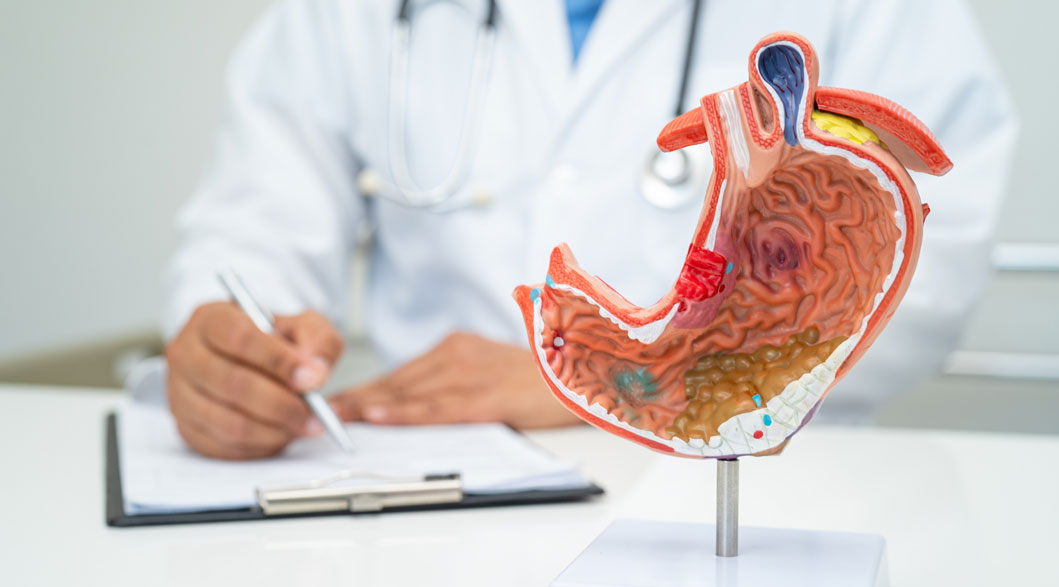
While gastric cancer can occur in anyone, certain factors increase risk. In Singapore and across parts of Asia, the incidence remains higher than in many Western countries, which underscores the importance of vigilance.
You may benefit from discussing screening with your doctor if you:
- Have a family history of gastric cancer
- Have chronic gastritis or Helicobacter pylori (H. pylori) infection
- Have a history of stomach ulcers or gastric polyps
- Smoke or consume alcohol regularly
- Experience persistent upper abdominal discomfort, unexplained weight loss or difficulty swallowing
Limitations of Endoscopy in Detecting Gastric Cancer
Endoscopy remains one of the most reliable tools for identifying abnormalities in the stomach, including early stage gastric cancer. However, like all diagnostic procedures, it has limitations. Very small, flat or subtly textured lesions can occasionally be difficult to detect, particularly in their earliest stages. Visibility may also be affected by factors such as residual food or mucus in the stomach. For this reason, careful preparation, adherence to quality standards and the expertise of the endoscopist all play a critical role in improving detection rates.
Taking Control of Your Digestive Health
It is natural to hope that discomfort will resolve on its own. Yet your body often gives early signals when something is not right. Acting promptly does not mean expecting the worst. It means valuing reassurance, clarity and the opportunity for early intervention if needed.
If you are over 50, have a family history of stomach conditions or have been coping with ongoing digestive discomfort, consider arranging an evaluation sooner rather than later. A visit to an endoscopy clinic in Singapore is a practical step towards understanding your symptoms and safeguarding your long term health. Reach out to our team to arrange a consultation and take that first step with confidence.