

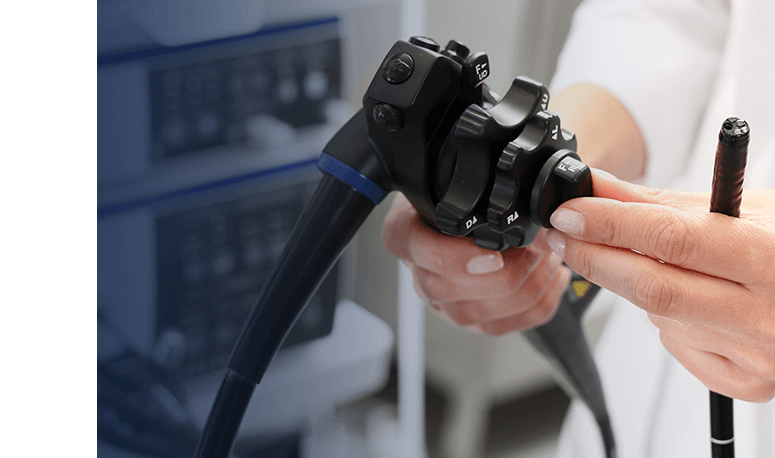



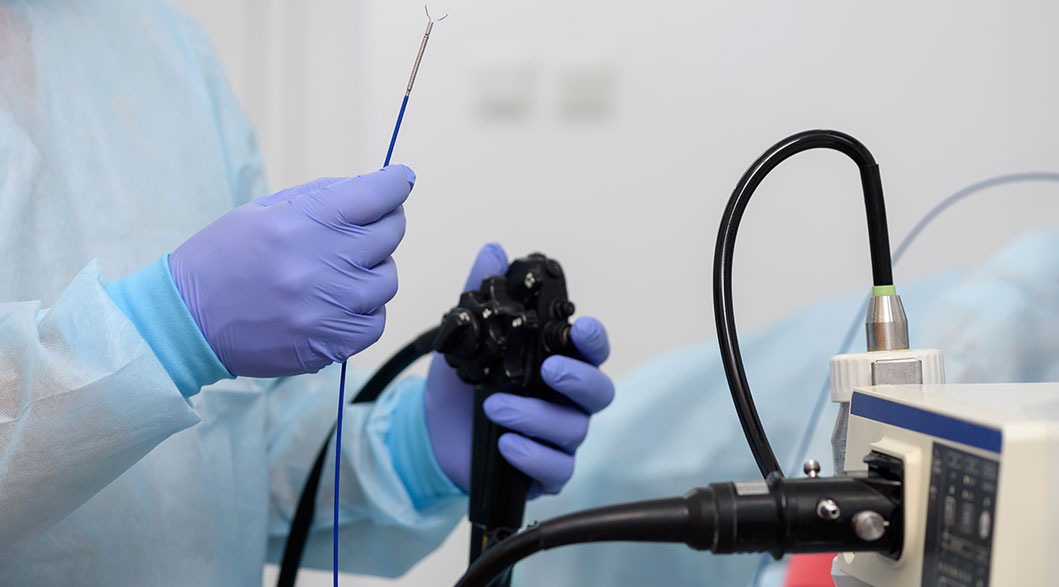
Endoscopy refers to a group of minimally invasive procedures that allow doctors to look directly inside the body using a flexible tube fitted with a camera and light. Rather than relying solely on external imaging or symptoms alone, it provides a clear internal view of specific organs and passageways.
What many people do not realise is that there are several types of endoscopy, each designed for a specific part of the body. From the digestive tract to the airways and urinary system, different scopes are used depending on the area of concern. Understanding these differences can make the process feel less daunting. Continue reading to learn about the various types of endoscopies and when each may be recommended.
Gastrointestinal Endoscopy
The digestive tract is one of the most common areas assessed through endoscopy. Gastrointestinal, or GI, endoscopy allows doctors to evaluate the oesophagus, stomach, small intestine and large intestine. It is frequently used to investigate abdominal pain, unexplained bleeding or changes in bowel habits. It also plays a key role in screening and early detection of gastrointestinal cancers.
Within GI endoscopy, several distinct procedures target different segments of the digestive system.
Gastroscopy or Upper Endoscopy (OGD)
Gastroscopy, also known as oesophagogastroduodenoscopy or OGD, focuses on the upper digestive tract. The scope passes through the mouth to examine the oesophagus, stomach and first part of the small intestine.
Doctors often recommend this test for persistent indigestion, ongoing acid reflux or upper abdominal discomfort. It can identify inflammation, ulcers or suspicious growths. The procedure is usually brief, and most people recover quickly, with only a temporary sore throat.
Colonoscopy
A colonoscopy involves the examination of the colon (large intestine) and rectum. It is the standard procedure for colorectal cancer screening and the evaluation of bowel symptoms. One of its major advantages is that it is both diagnostic and preventive. During the procedure, doctors can remove polyps, small growths that may develop into cancer over time. This ability to detect and treat in a single session makes colonoscopy especially valuable.
Enteroscopy
While gastroscopy and colonoscopy cover much of the digestive tract, the small intestine can be harder to access. Enteroscopy addresses this gap. This procedure is typically recommended for unexplained gastrointestinal bleeding or when imaging suggests a tumour in the small bowel. By using a longer scope or balloon assisted techniques, doctors can navigate deeper into the small intestine than standard endoscopies allow.
Endoscopic Retrograde Cholangiopancreatography (ERCP)
ERCP combines endoscopy with X-ray imaging to assess the bile ducts, pancreas and gallbladder. Unlike routine diagnostic procedures, ERCP often has a therapeutic purpose. It can identify and treat conditions such as bile duct stones, strictures or complications involving the pancreas. Because it involves specialised techniques, it is usually performed in centres with specific expertise.
Respiratory Endoscopy
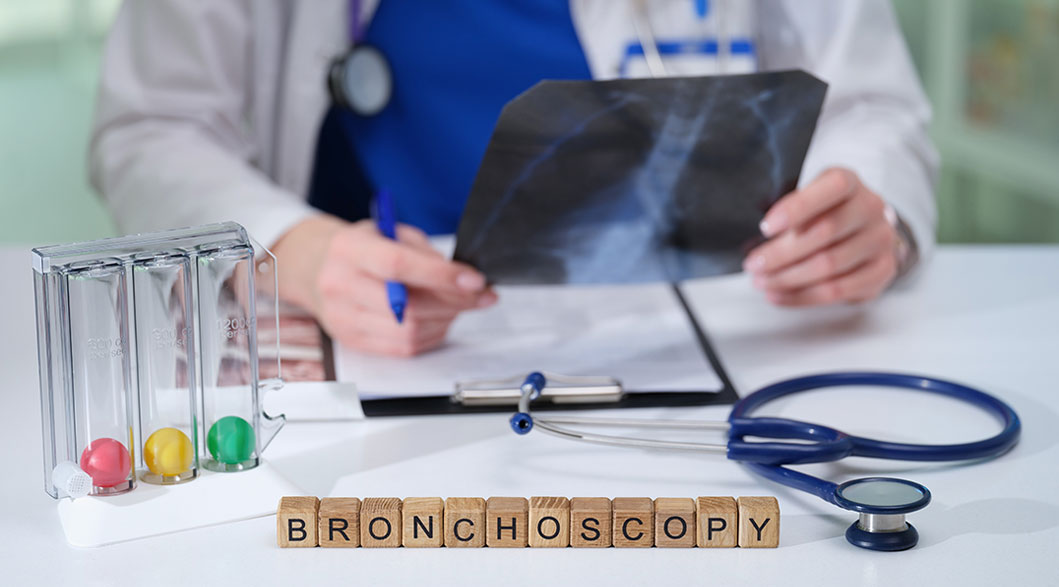
Respiratory endoscopy, commonly known as bronchoscopy, is used to inspect the respiratory tract, including the trachea (windpipe) and the bronchi leading into the lungs. The bronchoscope is inserted through the nose or mouth, down the throat and into the trachea and lower airways. This procedure can detect an infection, coughing up blood (haemoptysis), obstructions or even tumours.
Urological Endoscopy
When symptoms involve the urinary tract, endoscopic evaluation may be advised. Urological endoscopy enables direct visualisation of the urethra, bladder and sometimes the ureters. These procedures are used to assess concerns such as recurrent infections, urinary obstruction or blood in the urine. By seeing the lining of the urinary tract clearly, doctors can identify stones, growths or structural abnormalities.
Cystoscopy
Cystoscopy is the most commonly performed urological endoscopic procedure. It examines the urethra and bladder using a thin scope inserted through the urinary opening. It is often recommended for haematuria, repeated urinary tract infections or suspected bladder stones. Most patients experience mild, short lived discomfort during urination afterwards, which typically resolves within a short period.
Gynaecological Endoscopy
Endoscopic techniques also play an important role in women’s health. In gynaecology, they allow doctors to investigate the reproductive organs with precision and minimal disruption.
Uteroscopy
Uteroscopy, more commonly referred to as hysteroscopy, focuses on the inside of the uterus. Unlike laparoscopy, which involves small abdominal incisions, hysteroscopy is performed through the cervix and does not require external cuts. It is frequently used to evaluate abnormal uterine bleeding, remove fibroids or polyps, and assess the uterine cavity during fertility investigations. Because it directly visualises the uterine lining, it offers clarity that other tests may not provide.
Choosing the Appropriate Endoscopy Services
With several types of endoscopy available, selecting the right procedure depends on a careful clinical assessment. Your doctor will consider the location of your symptoms, your medical history and the condition being investigated before recommending the most suitable approach. For more complex concerns, referral to specialised endoscopy services ensures the examination is carried out safely and with the appropriate expertise.
If you are experiencing persistent or unexplained symptoms, an endoscopic evaluation can provide the answers you need. Schedule a consultation with Colonoscopy Practice to discuss your concerns with our experienced colorectal specialists today.