

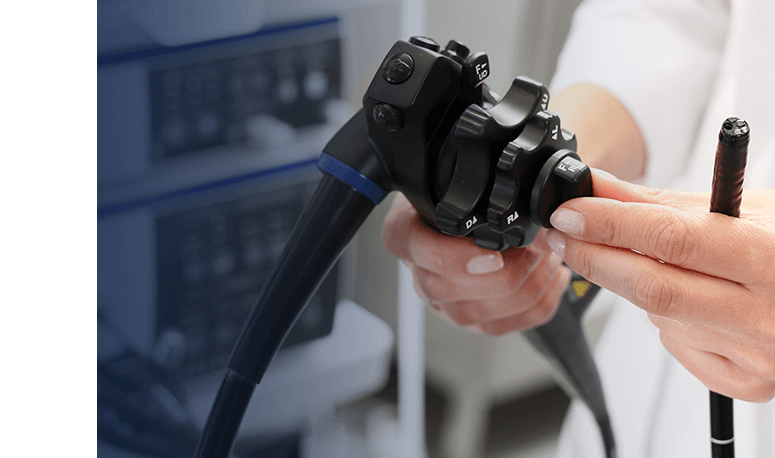



If you have recently undergone a colonoscopy, you may find yourself staring at the report afterwards, wondering what all the medical terms mean. A colonoscopy report offers a detailed picture of the health of your colon and rectum. It guides future screening schedules, follow-up care and, if necessary, treatment plans. While your specialist will explain the findings, reading through a medical report filled with unfamiliar terms can still feel intimidating. Understanding what those results mean can help you feel more confident about the next steps, whether that involves routine screening or further investigation.
What Happens After a Colonoscopy Procedure?
Once the sedation begins to wear off, your specialist will usually speak with you about the immediate observations from the procedure. This discussion often covers what was seen during the examination, including any polyps, diverticula, or signs of inflammation.
If polyps were removed or tissue samples were taken, however, the full picture will not be available straight away. These samples are sent to a laboratory where a pathologist examines them under a microscope.
The final colonoscopy report combines the doctor’s visual findings with the laboratory’s pathology results. In most cases, patients receive the complete report within one to two weeks, although some biopsy results may return sooner depending on the laboratory process.
How to Read a Colonoscopy Report
A colonoscopy report contains several sections, each explaining a different aspect of the procedure. Understanding what each section refers to can make the report much easier to follow.
- Indication for Procedure: This section explains why the colonoscopy was recommended. Common reasons include colorectal cancer screening, investigating symptoms such as rectal bleeding or persistent abdominal discomfort, or monitoring previous findings like polyps.
- Quality of Bowel Preparation: Your doctor will grade how clean the colon was during the examination. Terms such as good or adequate indicate that the lining of the bowel could be clearly visualised. If preparation was poor, visibility may have been limited and a repeat procedure could be advised.
- Extent of Examination: This confirms how far the colonoscope travelled during the procedure. A complete examination typically reaches the caecum, the beginning of the large intestine, and may briefly enter the terminal ileum, which is the final section of the small intestine.
- Findings and Impressions: This is the most important part of the report. It summarises anything the specialist observed, such as the number and location of polyps, areas of irritation, haemorrhoids, or diverticula.
Medical reports use precise terminology so that other healthcare professionals can interpret them accurately. If any part of the report feels confusing, do not hesitate to ask your doctor for clarification. A short explanation can often make the findings far easier to understand.
Common Colonoscopy Findings and What They Mean
Colonoscopy findings vary from person to person. Some reports show no abnormalities at all, while others may detect changes that require monitoring or treatment.
Normal Colonoscopy Results
A normal or negative result means that the lining of the colon appeared healthy, with no polyps, masses or signs of inflammation detected. For individuals at average risk of colorectal cancer, this typically allows for a screening interval of 10 years before the next colonoscopy is recommended.
Positive Colonoscopy Results
A positive result indicates that the doctor detected one or more abnormalities during the examination. It is important to remember that a positive finding does not automatically mean cancer. Some underlying conditions that may be identified include:
- Colon Polyps: Polyps are small growths that develop on the lining of the colon. Most are benign (non-cancerous), but certain types, particularly adenomas, may carry a risk of developing into cancer over time.
- Inflammation or Colitis: If the lining appears red, swollen or ulcerated, the report may describe this as colitis. Causes can include bacterial or viral infections or inflammatory bowel diseases such as ulcerative colitis or Crohn's disease.
- Diverticulosis: This condition refers to small pouches, known as diverticula, that form in the wall of the colon. Diverticulosis is common and often symptom-free, though in some cases it can lead to diverticulitis, where the pouches become inflamed or infected.
- Suspicious or Abnormal Lesions: Occasionally, the doctor may identify a mass or lesion that appears unusual. Biopsies are usually taken immediately to determine whether cancer cells are present. Additional imaging tests may also be arranged while awaiting the results.
Understanding Biopsy and Pathology Results
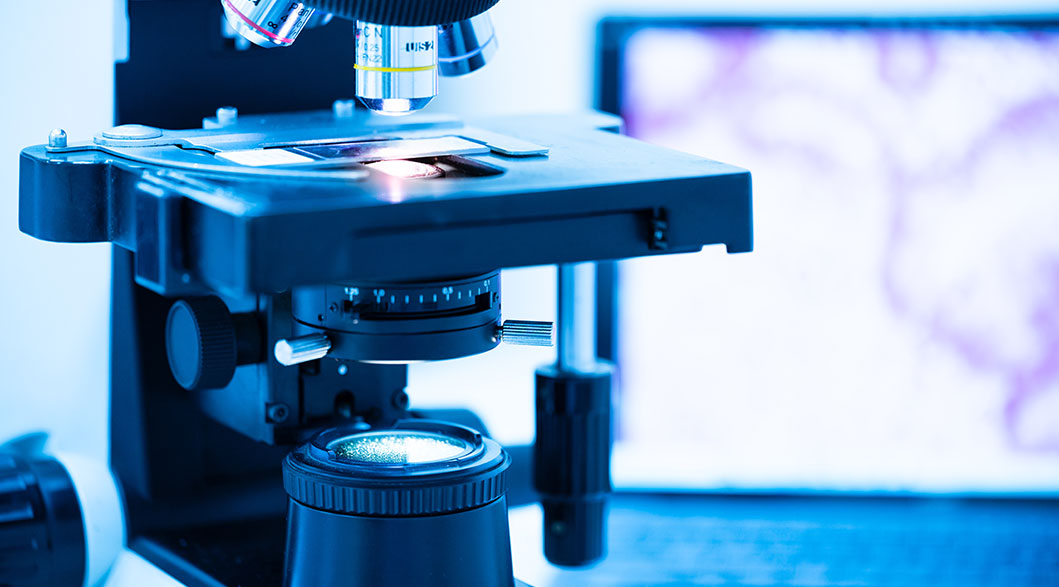
During a colonoscopy, doctors may take small tissue samples known as biopsies for further analysis. These samples are examined by a pathologist under a microscope. The evaluation helps determine whether tissue changes are benign, pre-cancerous or malignant. Biopsies can also reveal microscopic inflammation that may not be visible during the procedure itself. Pathology results typically return within a few days to about a week, depending on the laboratory and the complexity of the sample.
Recommended Follow-Up After a Colonoscopy Procedure?
One of the main goals of a colonoscopy is prevention and early detection. The findings from the procedure help determine when future screening or follow-up care should take place.
When No Further Action Is Needed
If the colon appears normal and the patient is considered at average risk, routine screening is usually recommended after 10 years. Doctors may also provide general advice on maintaining digestive health through diet, exercise and healthy lifestyle habits.
When Surveillance Colonoscopy Is Advised
Patients with adenomatous polyps or a strong family history of colorectal cancer may be placed on a surveillance programme. This typically involves repeating the colonoscopy at shorter intervals, such as every three or five years, to check for new polyps or recurrence.
When Additional Tests or Referrals Are Required
In some situations, further evaluation may be necessary. Depending on the findings, your doctor may recommend imaging studies, specialist consultations or, in rare cases, a surgical review.
Moving Forward with Your Digestive Health
Understanding your colonoscopy results is an important part of protecting your long-term digestive health. Whether your results indicate a healthy colon or highlight areas that require closer observation, following your specialist’s advice remains the most effective way to prevent colorectal disease and maintain overall well-being.
If you have questions about your results or would like professional guidance on the next steps, consider speaking with the specialists at Colonoscopy Practice in Singapore. A consultation can help clarify your report and ensure you receive appropriate follow-up care tailored to your individual needs. Get in touch today.