


Dr Dennis Koh
Medical Director & Senior Consultant Colorectal Surgeon
MBBS (Nottingham), B Med Sci (Nottingham), MMed (Surgery), FRCS (Edinburgh), FAMS

Dr Sharon Koh Zhiling
Senior Consultant Colorectal Surgeon
MBBS (Singapore), MMed (Surgery), FRCS (Edinburgh), FAMS

Dr Pauleon Tan Enjiu
Senior Consultant Colorectal Surgeon
MBBS (Singapore), MMed (Surgery), FRCS (Edinburgh), FAMS
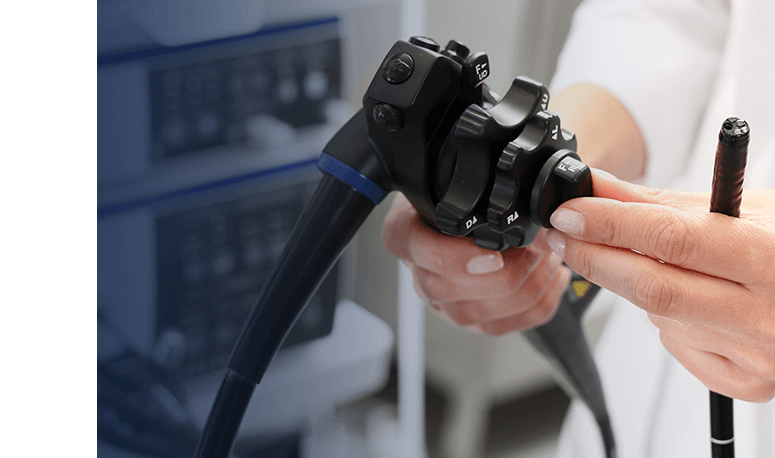
When most people hear “colonoscopy,” they immediately think of colorectal cancer screening. But what if this single procedure could do much more? In reality, a colonoscopy is a powerful tool that helps detect a wide range of digestive conditions, often before symptoms become serious or noticeable.
By allowing doctors to closely examine the inner lining of the colon, it can identify issues such as inflammation, bleeding, or abnormal growths. In some cases, certain conditions can even be treated during the same procedure. This makes a colonoscopy not just a diagnostic test, but a proactive step in maintaining overall digestive health and preventing future complications.
What Can a Colonoscopy Detect Besides Colorectal Cancer?
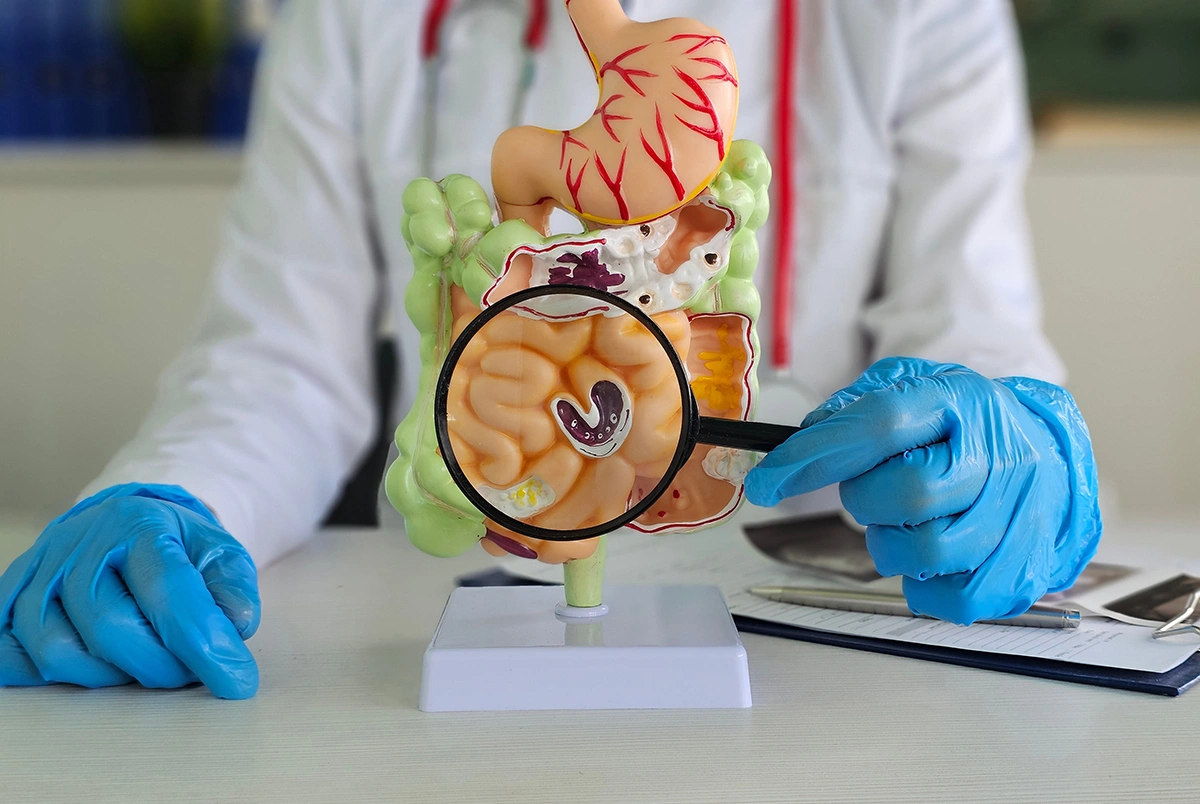
While colorectal cancer screening is a key purpose of a colonoscopy, the procedure can also detect a wide range of non-cancerous conditions that affect the digestive tract. Many of these may develop gradually without obvious symptoms. A colonoscopy can help identify:
Colon polyps
Small growths in the colon that may become cancerous over time if not removed.
Inflammatory bowel disease (IBD)
Conditions such as Crohn’s disease and ulcerative colitis that cause chronic inflammation.
Diverticulosis and diverticulitis
Small pouches in the colon wall that can become inflamed or infected.
Sources of gastrointestinal bleeding
Including ulcers, tears or abnormal blood vessels.
Infections and inflammation
Signs of irritation or infection within the colon lining.
Internal haemorrhoids
Swollen blood vessels in the rectum that may cause discomfort or bleeding.
Benign tumours or abnormalities
Non-cancerous growths that may still require monitoring or treatment.
Why Colonoscopy Is More Than Just a Diagnostic Test
A colonoscopy is not only used to detect existing conditions but also plays a crucial role in preventing more serious health issues. One of its key advantages is the ability to intervene early, often during the same procedure.
For example, colon polyps can be removed immediately once identified, reducing the risk of them developing into colorectal cancer over time. This makes colonoscopy one of the few procedures that combines both detection and prevention in a single step.
In addition, colonoscopy is valuable for monitoring ongoing conditions such as inflammatory bowel disease. Regular assessments allow doctors to track changes, adjust treatment plans and reduce the risk of complications.
When Should You Get a Colonoscopy?
The timing of a colonoscopy depends on several factors, including age, personal risk and the presence of symptoms. While some people undergo the procedure as part of routine screening, others may need it earlier or more frequently based on their individual health profile.
Routine screening from age 45 and above
For individuals at average risk, regular colorectal cancer screening is generally recommended starting from age 45. A colonoscopy is one of the most comprehensive screening methods, as it allows both detection and removal of precancerous growths during the same procedure.
If you experience digestive symptoms
A colonoscopy may be advised if you develop symptoms such as persistent abdominal pain, changes in bowel habits, unexplained weight loss, or blood in the stool. These symptoms can be linked to a range of conditions that require further evaluation.
Family history of colorectal conditions
If you have a family history of colorectal cancer, polyps or certain genetic conditions, your doctor may recommend starting screening earlier or undergoing a colonoscopy more frequently.
Ongoing monitoring of existing conditions
Individuals with conditions such as inflammatory bowel disease (IBD) or a history of colon polyps may require regular colonoscopies to monitor for changes and reduce the risk of complications.
Follow-up after abnormal test results
A colonoscopy may also be needed if other screening tests, such as stool-based tests, show abnormal findings. It allows for a closer examination and, if necessary, immediate intervention.

Taking a Proactive Approach to Protect Digestive Health
A colonoscopy offers a unique opportunity to take control of your digestive health before problems escalate. Rather than waiting for symptoms to appear, this procedure allows for early detection, timely intervention and, in many cases, immediate treatment. With many digestive conditions developing silently, being proactive can make a meaningful difference in long-term outcomes and overall well-being.
If you are considering a colonoscopy or have been advised to undergo one, seeking care from an experienced medical team is important. At our colonoscopy clinic, we provide comprehensive colonoscopy services tailored to your individual risk profile and health needs. Led by Dr Dennis Koh, alongside Dr Sharon Koh and Dr Pauleon Tan, our focus is on delivering safe, thorough and patient-centred care to support your digestive health at every stage. Schedule an appointment with us today to take charge of your colorectal health.