



Dr Dennis Koh
Medical Director & Senior Consultant Colorectal Surgeon
MBBS (Nottingham), B Med Sci (Nottingham), MMed (Surgery), FRCS (Edinburgh), FAMS

Dr Sharon Koh Zhiling
Senior Consultant Colorectal Surgeon
MBBS (Singapore), MMed (Surgery), FRCS (Edinburgh), FAMS

Dr Pauleon Tan Enjiu
Senior Consultant Colorectal Surgeon
MBBS (Singapore), MMed (Surgery), FRCS (Edinburgh), FAMS
Colorectal cancer does not always announce itself with obvious symptoms. A person may feel well and notice no change in their bowel habits, yet abnormalities in the colon or rectum may still be developing.
Feeling healthy therefore cannot reliably establish that no early colorectal changes are present. This is one reason screening is recommended for certain people even when they have no symptoms.
Why Can Colorectal Cancer Develop Without Early Warning Signs?
Colorectal cancer can develop gradually, and some cancers begin as precancerous polyps that change over time. During this process, there may be a period when an abnormality is present without causing obvious symptoms.
Small Growths May Not Affect Bowel Function
A small tumour may not initially interfere with the passage of stool or noticeably alter bowel function. Changes in bowel habits can become more apparent as the tumour grows or begins to affect how the bowel functions.
This means normal bowel movements do not necessarily rule out an early colorectal abnormality.
Bleeding May Not Be Visible
Some colorectal abnormalities can cause small amounts of bleeding that are not visible in the stool. This hidden blood loss may go unnoticed and, over time, can contribute to iron-deficiency anaemia.
In some cases, iron-deficiency anaemia may be identified before a person notices any obvious bowel-related symptoms.
Early Symptoms May Be Mild or Non-Specific
When symptoms do occur, they may initially be subtle or resemble common digestive complaints. Mild abdominal discomfort or changes in bowel habits may not immediately seem unusual, particularly when they are intermittent.
Symptoms alone therefore do not reliably distinguish an early colorectal abnormality from more common digestive problems.
How Screening Can Detect Colorectal Changes Before Symptoms Appear
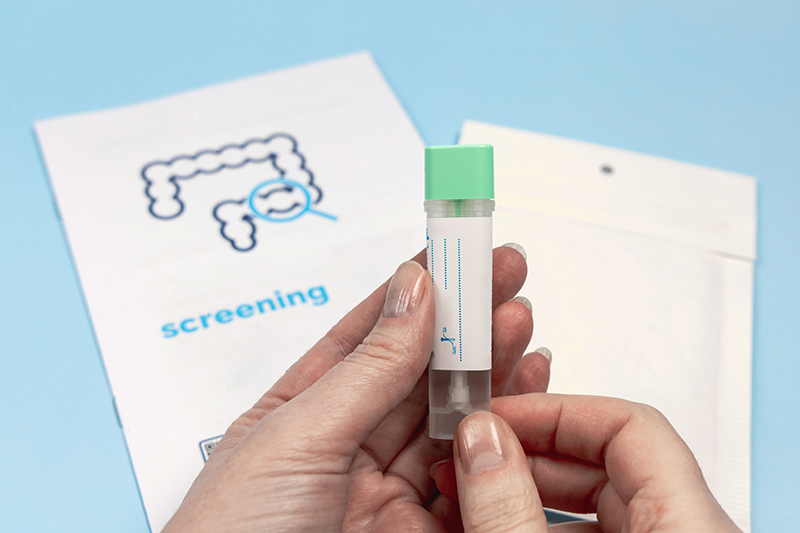
Colorectal cancer screening is used to look for signs of disease or precancerous changes in people who do not have symptoms. Screening may involve a faecal immunochemical test (FIT) or colonoscopy, each test providing different information.
Stool Tests Can Detect Hidden Blood
A faecal immunochemical test (FIT) checks for small amounts of blood that may not be visible in the stool. An abnormal result does not show where the bleeding is coming from, so further investigation is needed to identify the source. The distinction between a colonoscopy and stool test is important: FIT looks for evidence of hidden bleeding, whereas colonoscopy allows the colon and rectum themselves to be examined.
Colonoscopy Allows Direct Examination of the Colon
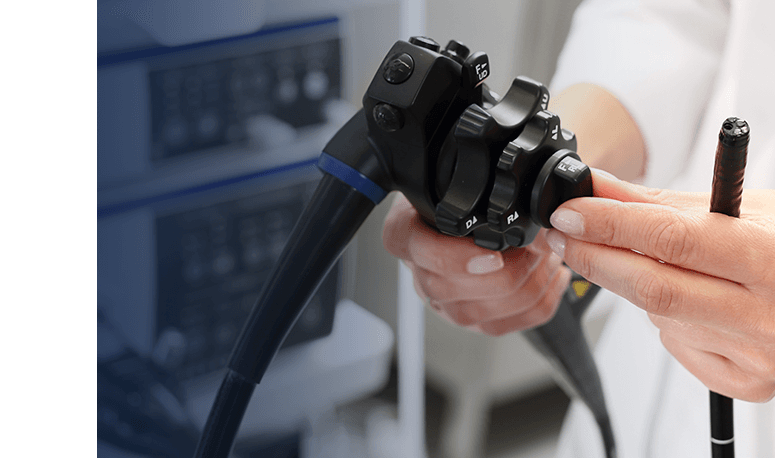
A colonoscopy allows the doctor to examine the lining of the colon and rectum directly and identify abnormalities such as polyps or suspicious lesions. Polyps found during the procedure can often be removed and sent for laboratory examination.
Removing precancerous polyps can also prevent some of these growths from progressing to colorectal cancer.
When Is Colorectal Cancer Screening Recommended Without Symptoms?
Colorectal cancer screening is intended for people without symptoms, but the appropriate starting point and screening interval are not the same for everyone. Recommendations may differ according to a person’s age and colorectal cancer risk.
- Average-risk adults aged 50 and above: Routine colorectal cancer screening is recommended even when there are no bowel symptoms.
- People with a family history of colorectal cancer: Screening may need to begin earlier, particularly when a close relative was diagnosed at a younger age. The recommended timing depends on the family history.
- People with previous colorectal polyps or cancer: Follow-up is usually based on the previous findings rather than the routine screening schedule for average-risk adults.
Nip Colorectal Cancer in the Bud With Timely Screening
Colorectal cancer screening is not only about detecting cancer before symptoms appear. It can also identify precancerous polyps that may be removed before they have the opportunity to progress, making screening an important part of colorectal cancer prevention and early detection. When screening should begin and which method is appropriate can depend on factors such as age, family history and previous colorectal findings.
At our colonoscopy clinic, patients can discuss their colorectal cancer risk and screening needs, with colonoscopy available where clinically appropriate. The practice is led by Dr Dennis Koh, together with Dr Sharon Koh and Dr Pauleon Tan, who provide colorectal and endoscopic care across a range of conditions. If you are due for colorectal cancer screening or are uncertain about when to begin, book an appointment to discuss the appropriate screening approach.
FAQs About Colorectal Cancer and Early Warning Signs
Can a negative screening result completely rule out colorectal cancer?
A negative screening result is reassuring, but it does not guarantee that colorectal cancer cannot develop later. Screening tests also have different limitations, so any new or persistent bowel symptoms should still be medically assessed even if a previous screening result was normal.
Does the location of colorectal cancer affect which symptoms appear?
Tumours in different parts of the colon or rectum may cause different symptoms. Some can lead to visible bleeding or bowel habit changes, while others may present more subtly through gradual blood loss, fatigue or anaemia.
If I have no family history, do I still need regular colorectal cancer screening?
Yes. People without a family history may still need routine colorectal cancer screening based on their age and other risk factors. A family history may lead to earlier or more frequent screening, but its absence does not remove the need for regular screening when this is otherwise recommended.
Meet Our Doctors

Dr Dennis Koh
Medical Director & Senior Consultant Colorectal Surgeon
MBBS (Nottingham), B Med Sci (Nottingham), MMed (Surgery), FRCS (Edinburgh), FAMS
Dr Dennis Koh is an experienced colorectal surgeon dedicated to the prevention and treatment of colorectal cancer. Having received the SingHealth Health Manpower Development Plan (HMDP) Award, he furthered his colorectal training at the Hôpitaux Universitaires de Genève (HUG), Switzerland, and was a Consultant Colorectal Surgeon at the Singapore General Hospital prior to setting up his own practice.

Dr Sharon Koh Zhiling
Senior Consultant Colorectal Surgeon
MBBS (Singapore), MMed (Surgery), FRCS (Edinburgh), FAMS
Dr Sharon Koh is a general surgeon with subspecialty training in colorectal surgery, minimally invasive surgery and advanced endoscopy. She obtained her accreditation as a specialist in General Surgery in 2014 after advanced surgical training in both National University Hospital and Singapore General Hospital. Prior to joining Colorectal Practice as a Senior Consultant Surgeon, she was the Director of Endoscopy at Alexandra Health of National University Health Services.

Dr Pauleon Tan Enjiu
Senior Consultant Colorectal Surgeon
MBBS (Singapore), MMed (Surgery), FRCS (Edinburgh), FAMS
Dr Pauleon Tan is a general surgeon who completed his specialist training and became a Fellow of the Royal College of Surgeons in Edinburgh in 2016. Having been awarded the Ministry of Health – Health Manpower Development Plan (HMDP) Award, he furthered his advanced colorectal surgical training in one of the top 5 units in Japan at Saitama International Medical Center.