



Dr Dennis Koh
Medical Director & Senior Consultant Colorectal Surgeon
MBBS (Nottingham), B Med Sci (Nottingham), MMed (Surgery), FRCS (Edinburgh), FAMS

Dr Sharon Koh Zhiling
Senior Consultant Colorectal Surgeon
MBBS (Singapore), MMed (Surgery), FRCS (Edinburgh), FAMS

Dr Pauleon Tan Enjiu
Senior Consultant Colorectal Surgeon
MBBS (Singapore), MMed (Surgery), FRCS (Edinburgh), FAMS
When you notice rectal bleeding, changes in your bowel habits or abdominal discomfort, you may naturally try to connect them to a familiar cause. Perhaps you have experienced haemorrhoids before or assume a recent change in diet is responsible.
While symptoms provide useful clues, what you feel does not always reveal exactly what is happening inside the bowel. Looking at the broader picture can therefore be important when symptoms persist, change or do not have an obvious explanation.
Different Colorectal Conditions Can Cause Similar Symptoms
Many colorectal conditions share common symptoms, making it difficult to identify the cause based on what you experience alone. Rectal bleeding, for example, can occur with haemorrhoids, anal fissures, colorectal polyps, inflammation and colorectal cancer. A change in bowel habits may be related to diet or a functional bowel disorder, but it can also occur with conditions affecting the colon. Similarly, abdominal discomfort, bloating or changes in stool appearance can have several possible explanations.
This does not mean that common bowel symptoms are necessarily a sign of something serious. It simply means that the same symptom can have different causes, so further assessment may sometimes be needed to distinguish between them.
What Else Does Your Doctor Consider?
Your symptoms are considered alongside other information that can help your doctor understand what may be contributing to them. This includes how long the symptoms have been present, whether they are becoming more frequent and whether you have noticed other changes.
Your doctor may ask about:
- Your age and general health
- Your personal and family medical history
- Previous colorectal conditions
- The timing and pattern of rectal bleeding
- Changes in your bowel habits
- Unexplained changes in appetite or weight
- Other symptoms such as fatigue or abdominal pain
A physical examination may also be carried out where appropriate. Based on these findings, your doctor can then determine whether further investigations would provide useful information.
What Can a Colonoscopy Show That Symptoms Cannot?
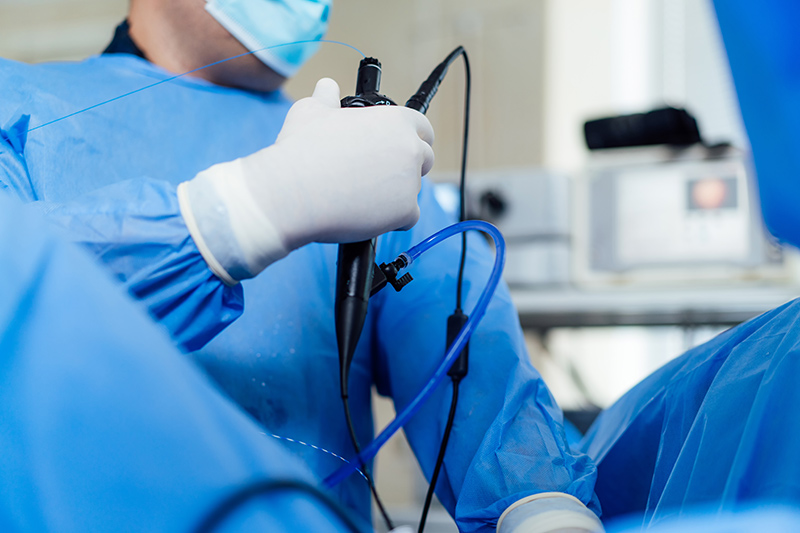
When your symptoms and initial assessment do not provide enough information, your doctor may recommend a colonoscopy to examine the colon and rectum more closely.
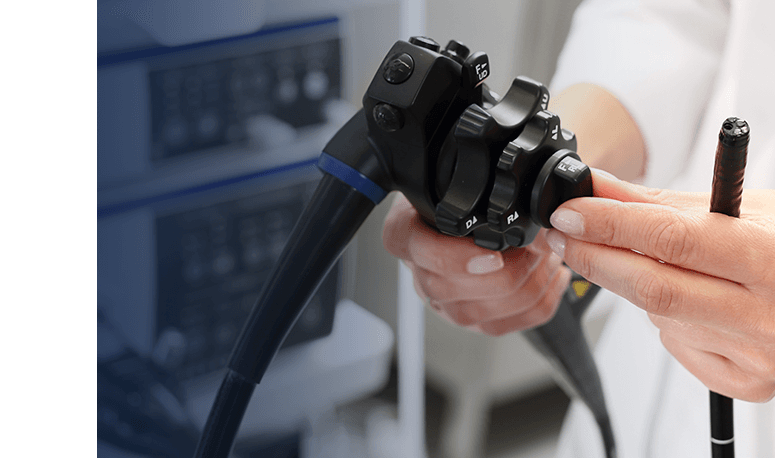
As an endoscopy colonoscopy uses a thin, flexible tube with a camera to view the bowel lining. It may identify:
- Colorectal polyps
- Areas of inflammation
- Sources of bleeding
- Ulcers or changes in the bowel lining
- Abnormal tissue or growths
This direct view can help distinguish between conditions that cause similar symptoms. If an abnormal area is found, a biopsy may also be taken for laboratory analysis. Polyps can be removed during the procedure and sent for testing where appropriate.
Colonoscopy may also identify abnormalities before they cause noticeable symptoms, which is why it can have a role in colorectal cancer screening as well as investigating bowel symptoms.
A Clearer Approach to Bowel Symptoms
Bowel symptoms can be easy to dismiss or attribute to something familiar, especially when they seem mild. But when a change persists, returns or feels different from usual, getting it properly assessed can help you understand what is behind it and what, if anything, needs to be done next.
At our colonoscopy clinic in Singapore, we provide comprehensive colonoscopy services tailored to your individual needs and risk profile. Led by Dr Dennis Koh, alongside Dr Sharon Koh and Dr Pauleon Tan, our team takes a considered approach to investigating colorectal concerns and guiding you through the appropriate next steps. Schedule a consultation with us to have your symptoms assessed today.
FAQs About Diagnosing Colorectal Conditions
Can a colonoscopy be normal even if I have bowel symptoms?
Yes. A colonoscopy may not always identify a structural abnormality that explains your symptoms. Depending on your symptoms and findings, your doctor may consider other possible causes or investigations rather than assuming that the absence of visible changes means your symptoms are not significant.
What happens if a biopsy is taken during a colonoscopy?
A small tissue sample may be collected if an area of the bowel lining requires closer examination. The sample is sent to a laboratory where it is examined under a microscope, providing additional information that can help your doctor establish or clarify a diagnosis.
Can the colour of rectal bleeding tell you where it is coming from?
The colour can provide a clue, but it cannot confirm the source on its own. Bright red blood often comes from the lower digestive tract, while darker blood may originate higher up. Other factors still need to be considered when determining the cause.
Does a family history of colorectal cancer change how symptoms are assessed?
It can be relevant. A family history of colorectal cancer or certain colorectal polyps may influence your individual risk and the investigations your doctor considers. The age at which your relative was diagnosed and how closely you are related may also be important.
Meet Our Doctors

Dr Dennis Koh
Medical Director & Senior Consultant Colorectal Surgeon
MBBS (Nottingham), B Med Sci (Nottingham), MMed (Surgery), FRCS (Edinburgh), FAMS
Dr Dennis Koh is an experienced colorectal surgeon dedicated to the prevention and treatment of colorectal cancer. Having received the SingHealth Health Manpower Development Plan (HMDP) Award, he furthered his colorectal training at the Hôpitaux Universitaires de Genève (HUG), Switzerland, and was a Consultant Colorectal Surgeon at the Singapore General Hospital prior to setting up his own practice.

Dr Sharon Koh Zhiling
Senior Consultant Colorectal Surgeon
MBBS (Singapore), MMed (Surgery), FRCS (Edinburgh), FAMS
Dr Sharon Koh is a general surgeon with subspecialty training in colorectal surgery, minimally invasive surgery and advanced endoscopy. She obtained her accreditation as a specialist in General Surgery in 2014 after advanced surgical training in both National University Hospital and Singapore General Hospital. Prior to joining Colorectal Practice as a Senior Consultant Surgeon, she was the Director of Endoscopy at Alexandra Health of National University Health Services.

Dr Pauleon Tan Enjiu
Senior Consultant Colorectal Surgeon
MBBS (Singapore), MMed (Surgery), FRCS (Edinburgh), FAMS
Dr Pauleon Tan is a general surgeon who completed his specialist training and became a Fellow of the Royal College of Surgeons in Edinburgh in 2016. Having been awarded the Ministry of Health – Health Manpower Development Plan (HMDP) Award, he furthered his advanced colorectal surgical training in one of the top 5 units in Japan at Saitama International Medical Center.